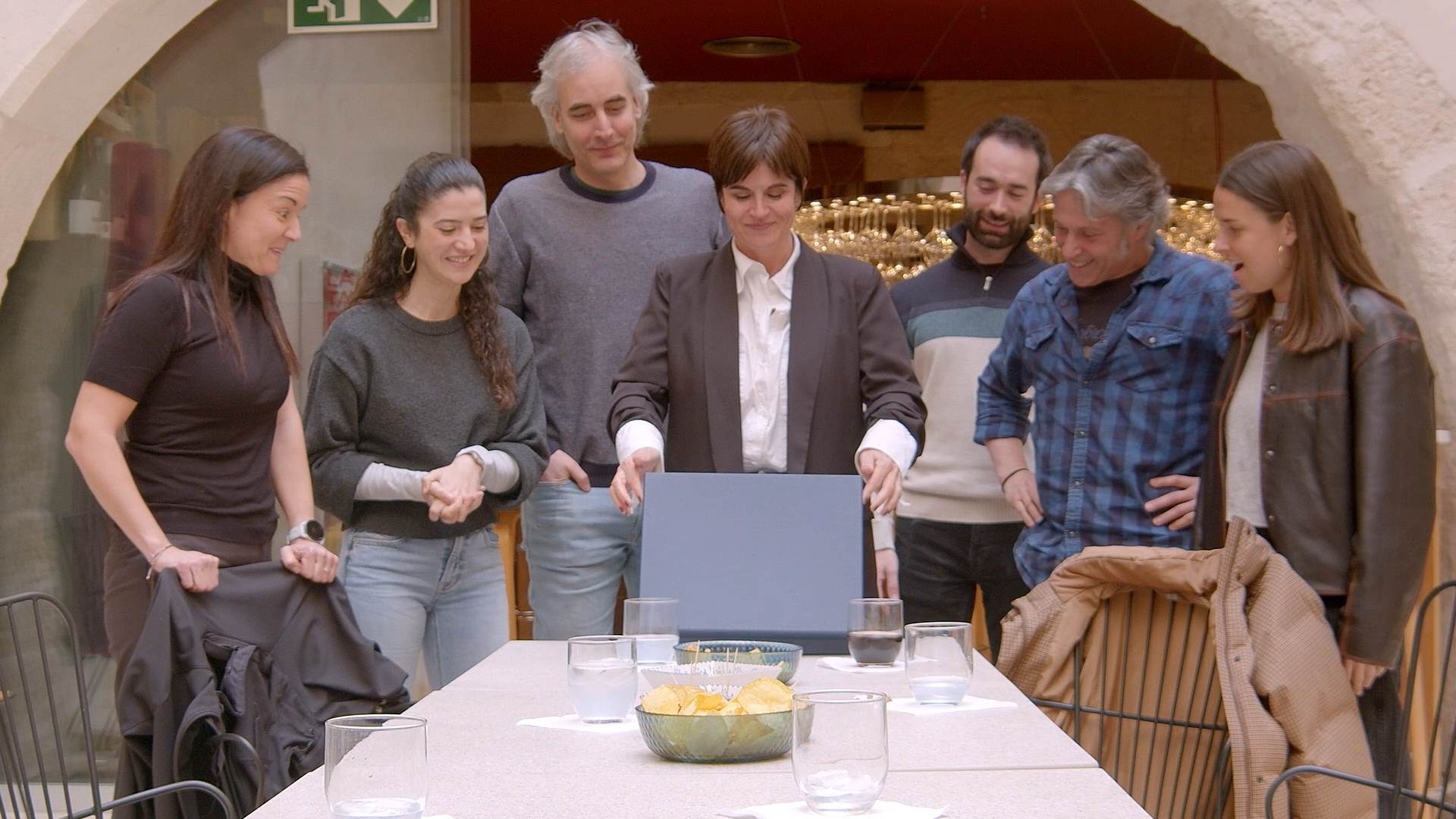

What do human towers have to do with physics, emotions or mathematics?
In the documentary Castells de ciència (The Science of Human Towers) by the Universitat Rovira i Virgili, the actress Agnès Busquets takes a scientific research approach to exploring the phenomenon of human tower building.
What is the documentary Castells de Ciència? ✨
Castells de Ciència (The Science of Human Towers) is a popular science documentary produced by the Universitat Rovira i Virgili, TAC12 and the Local Communication Network that analyses human tower building through the lenses of disciplines such as physics, psychology, sociology, architecture, mathematics and history. The project links scientific research with Catalan cultural heritage and brings scientific concepts closer to the general public through the world of human tower building.
Synopsis:
The actress Agnès Busquets delves into the world of human towers to discover what science has to say about them. Throughout the documentary, she talks with researchers from a wide variety of disciplines at the Universitat Rovira i Virgili to learn how human towers can be better understood, from the physical forces that sustain the structures to the human bonds generated by such a collaborative and social activity.
Technical credits:
Director: Carles Cortés
Script: Santi Suárez Baldrís, Carles Cortés
Executive Production: Un Capricho Producciones
Executive Producer, La Xarxa: Jordi Sacristan
Executive Production URV and URV Science Outreach: Montse Cartañà, Cristina Mallo and Jaume Ballesté
Executive Producer TAC12: Xavier Abelló
Trailer:
Scientific disciplines 🧬
Using the Concurs de Castells (Human Towers Competition) as its point of reference, the documentary takes a look at human tower building through the lens of various complementary scientific disciplines to explain its historical, biological, structural, social and emotional dimensions.
These are the disciplines featured in the documentary, but the Castells de Ciència project covers many other fields of knowledge. You can find them all at this link.
History - Alex Cervelló, Doctorate in History from the URV
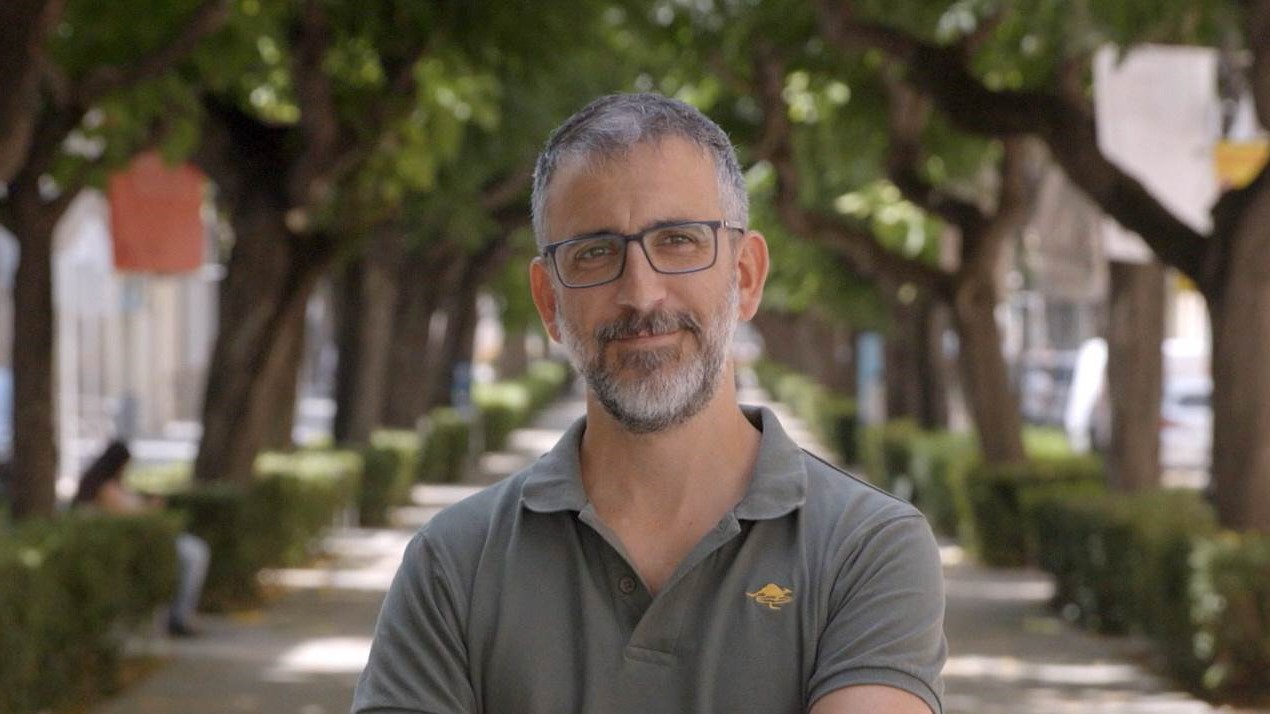
How did human tower building as we know it today originate? Has it always been the same?
Historical sources indicate that the origin of the phenomenon lies in the transition from the Ball de Valencians to the first documented human tower structures at the end of the 18th century. Through archive documents and old testimonies, the narrative shows how a festive and religious practice progressively evolved into an increasingly complex collective activity with an identity of its own. By taking a historical perspective, we can see how castells did not just appear suddenly, but rather emerged through a slow process of cultural and social accumulation.
Neuroscience - Laia Just, researcher at the URV's Department of Basic Medical Sciences
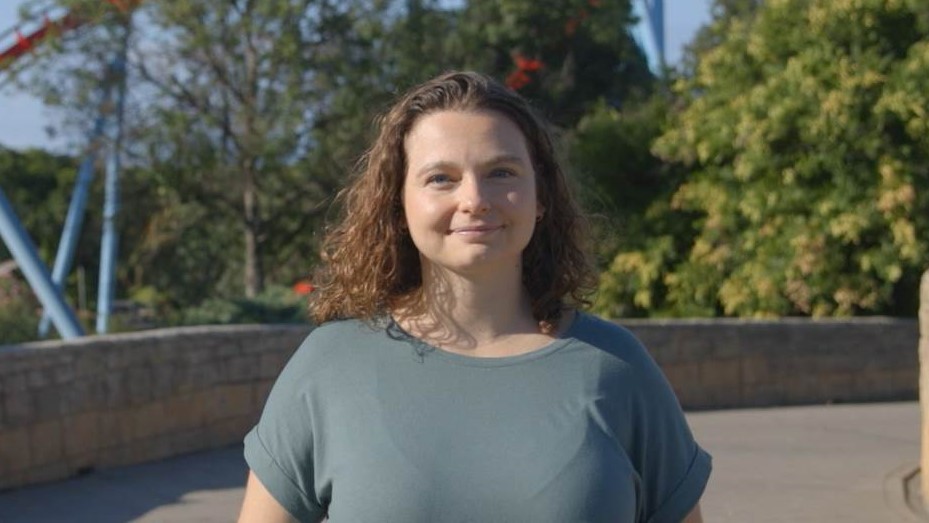
What happens inside the body during the moments of maximum tension in a human tower?
Neuroscience brings us closer to the internal mechanisms that accompany emotion; that is, the automatic reactions, chemical changes and nervous system responses that are triggered when the body perceives risk, effort or reward. At this level, the boundary between emotion and biology becomes blurred, and the documentary explores how these responses can connect seemingly very different experiences.
Architecture - Albert Samper, researcher at the URV's School of Architecture
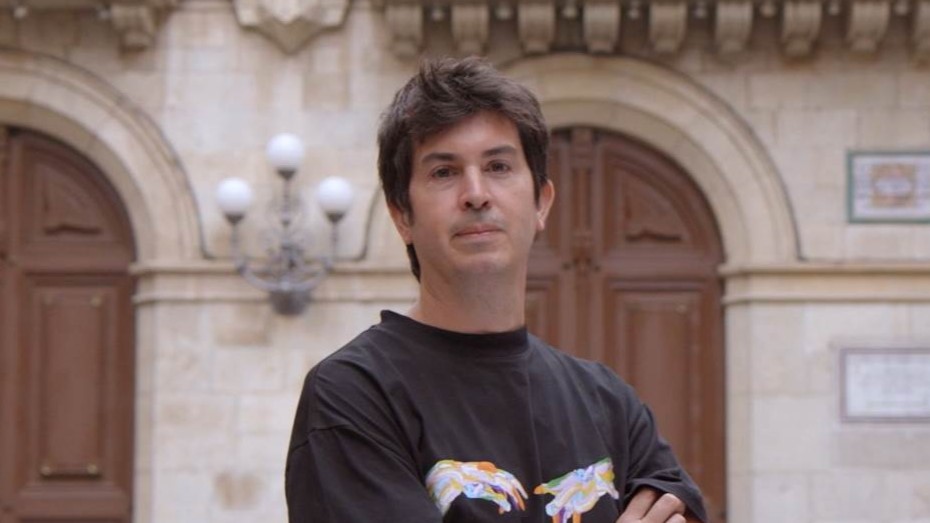
How can a structure stay up when it is made out of humans and seems to defy balance?
Architecture allows us to read human towers as ephemeral structures in motion. Classical architectural concepts can be used to interpret how forces are contained and redirected within a living structure. The parallel with historical buildings helps us to understand a key principle: what sustains the human tower is not just strength, but the way it is managed.
Mathematics - Roger Guimerà, researcher at the URV's Department of Chemical Engineering
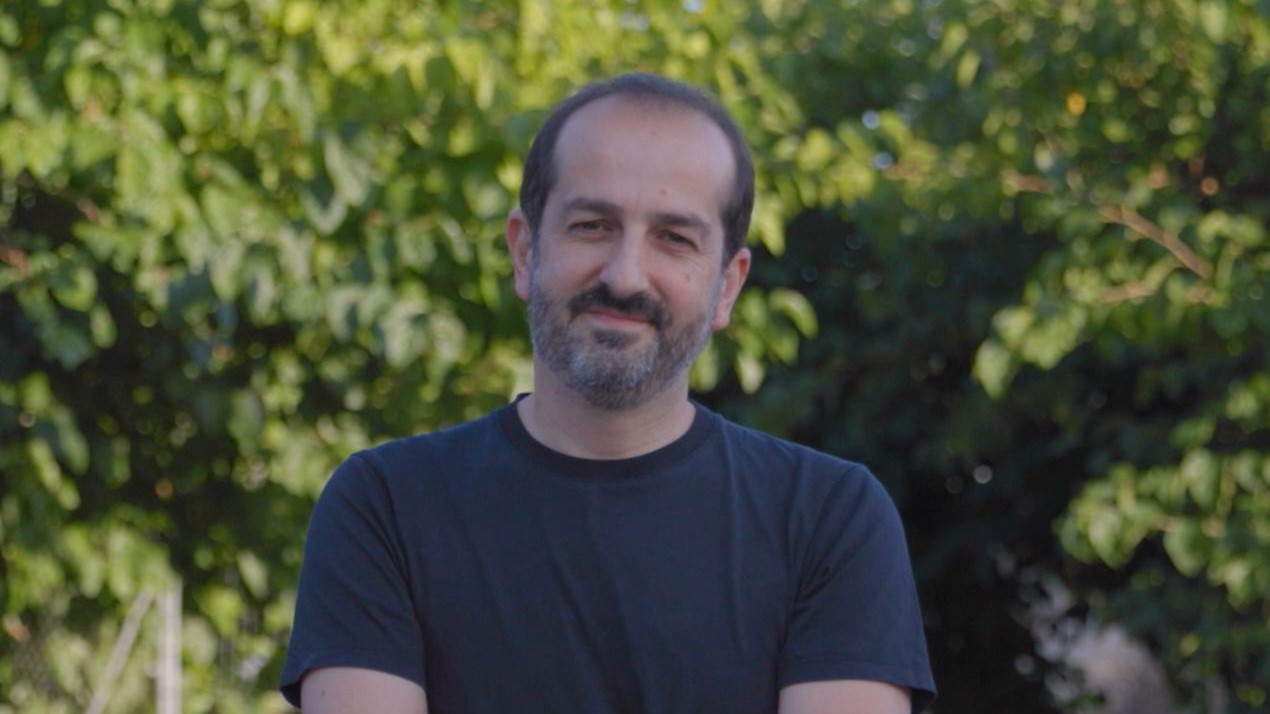
How is it decided that one human tower is worth more points than another in the Human Tower Competition?
Mathematics attempts to understand how a human tower can be assigned a difficulty and compared with others by using specific data and variables such as height, structure, number of people or the context of the performance. From there, estimations and models can be made to approximate the scores. However, we need to exercise caution when doing this because there are always factors that are difficult to quantify. The reality of human towers is more complex than a set of numbers.
Physics - Marta Sales, researcher at the URV's Department of Chemical Engineering
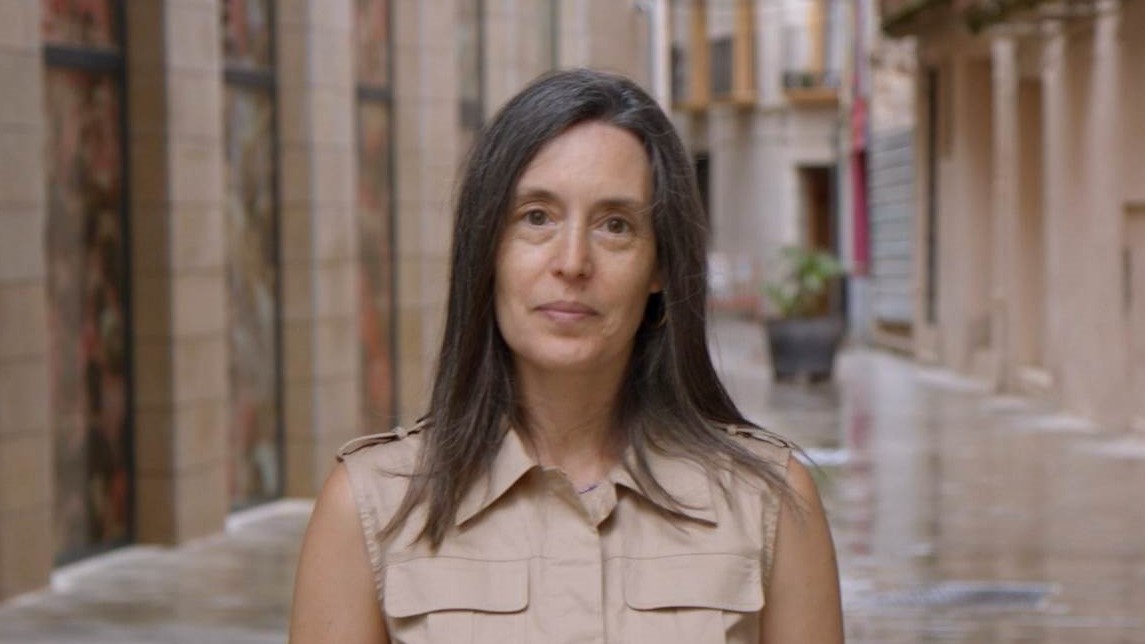
What makes a human tower stay up... or fall down?
Physics can tell us how the weight of everyone in the human tower is distributed from the base right to the top. It's not a single force, but many acting at once and balancing each other out. When this balance is maintained, the tower can grow higher. When it breaks, the tower shifts or can end up falling. That's why every small movement counts, and coordination is key to everything working.
Psychology - Lourdes Carrascón, Professor of Psychology at the URV
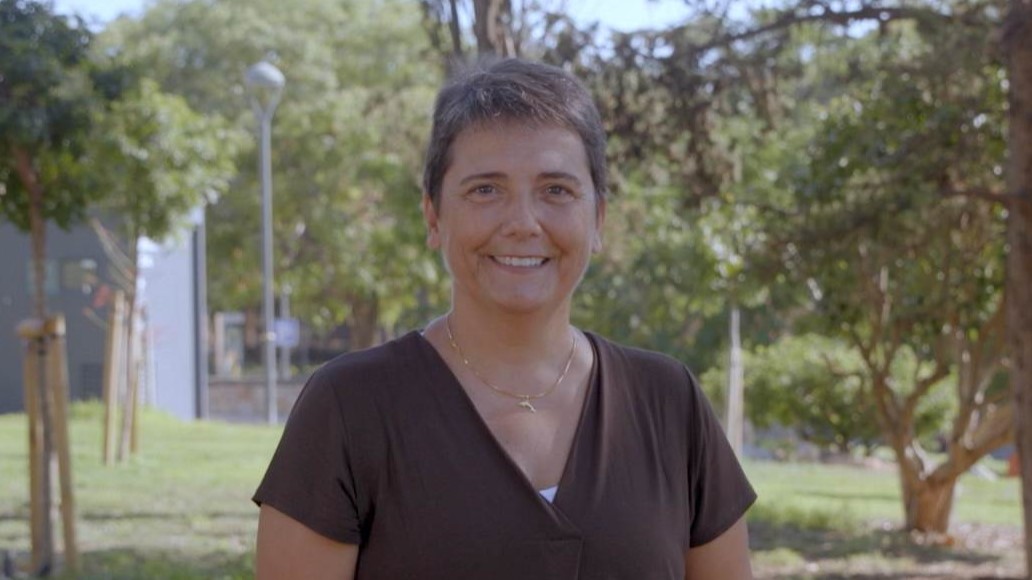
In a structure made up of many people, what is the mental glue that holds it all together?
Psychology delves into the internal processes that make collective trust possible: the management of fear, attention, motivation and connection with others. In the context of a human tower, performance depends not only on technique but also on the regulation of hidden factors such as emotions, pressure and expectations.
Sociology - Francesc Valls, researcher at the URV's Department of Nursing
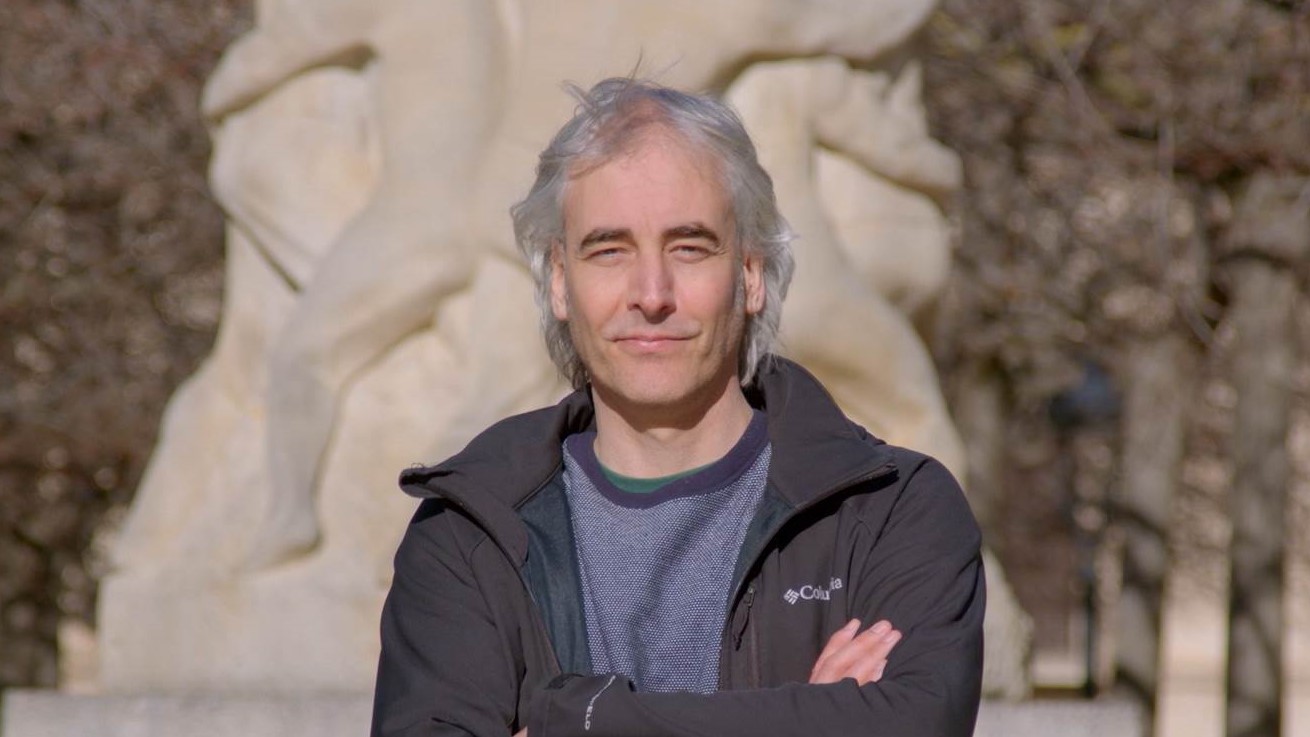
What makes a team feel so united when there are so many people involved?
Sociology analyses human towers as a space of shared relationships, symbols and meanings. Colours, gestures and rituals are not just visual elements, but codes that define belonging and difference. The documentary explores how these social structures are formed, reinforced and recognised, both from within and from without.
Watch the documentary 👁️
The documentary Castells de ciència premiered on Sunday, 17th May at 11 p.m. on the channels associated with the Catalan Local Television Network. Following its preview in Tarragona, this premiere marks the public release of film that is presented by Agnès Busquets and involves researchers from the Universitat Rovira i Virgili who together explore the world of human tower building from the perspective of multiple scientific disciplines. You can watch the documentary by clicking here.